
Introduction
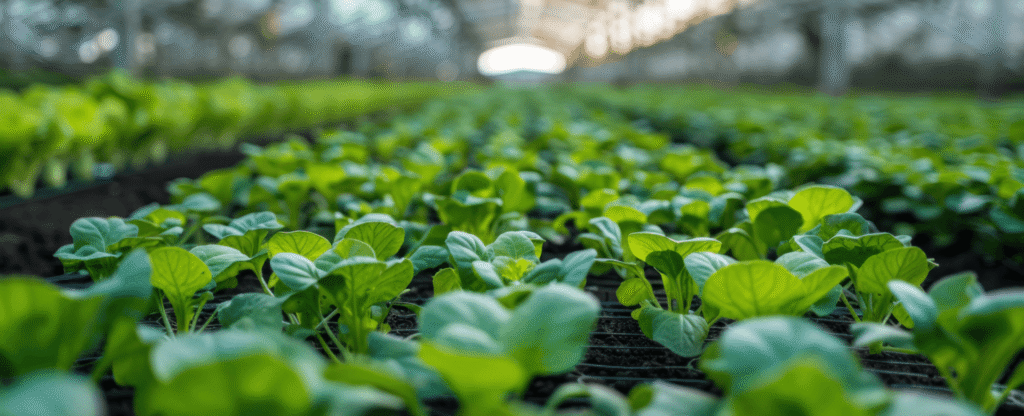
Farming is one of the oldest and most important activities in the world. It provides us with food, raw materials, and employment opportunities for millions of people. As the world’s population continues to grow, the demand for food is also increasing. To meet this demand, farmers are adopting modern farming methods that help them produce more crops, save resources, and improve agricultural productivity.
Modern farming combines traditional agricultural knowledge with advanced technology, scientific techniques, and sustainable practices. Its main goal is to make farming more efficient, profitable, and environmentally friendly.
What Is Modern Farming?
Modern farming is the use of advanced tools, machinery, technology, and scientific methods to improve agricultural production. It includes practices such as mechanized farming, precision agriculture, improved irrigation systems, soil testing, and the use of high-quality seeds.
Unlike traditional farming, which often depends heavily on manual labor and experience, modern farming uses data, research, and technology to help farmers make better decisions.
Key Features of Modern Farming
1. Agricultural Machinery
Modern machinery such as tractors, seed drills, harvesters, and cultivators helps farmers prepare land, plant seeds, and harvest crops more quickly. These machines reduce physical labor and save valuable time.
2. Smart Irrigation Systems
Water is essential for crop growth, but wasting it can increase costs and reduce water availability. Modern irrigation methods, including drip and sprinkler irrigation, help farmers deliver water more efficiently and reduce unnecessary water loss.
3. Improved Seeds and Crop Varieties
High-quality seeds suited to local soil and climate conditions can improve crop growth and productivity. Farmers can select suitable varieties based on factors such as growing season, water availability, and resistance to common diseases.
4. Soil Testing and Nutrient Management
Healthy soil is the foundation of successful farming. Soil testing helps farmers understand the nutrients and pH levels in their fields. This information allows them to apply fertilizers more appropriately and maintain soil fertility.
5. Digital Technology in Agriculture
Technology is transforming the way farmers manage their land. Mobile applications, weather forecasts, GPS tools, sensors, and agricultural drones can help farmers monitor crops, identify problems, and plan farming activities more effectively.
6. Sustainable Farming Practices
Modern farming also focuses on protecting the environment. Crop rotation, composting, integrated pest management, and responsible water use can help preserve soil health, reduce waste, and support long-term agricultural productivity.
Benefits of Modern Farming
Modern farming offers many benefits to farmers and communities, including:
- Higher productivity: Better equipment and crop management can improve yields.
- Time savings: Machinery helps complete farming tasks more quickly.
- Efficient resource use: Improved irrigation and nutrient management can reduce waste.
- Better crop monitoring: Digital tools help farmers identify potential problems earlier.
- Improved profitability: Efficient practices can lower production costs and reduce avoidable losses.
- Environmental protection: Sustainable methods help conserve soil, water, and other natural resources.
The actual benefits depend on local conditions, farm size, equipment costs, and how well the methods are implemented.
Challenges of Modern Farming
Although modern farming offers many advantages, farmers may face challenges when adopting new technologies.
High initial costs: Purchasing machinery, sensors, or irrigation equipment can be expensive, particularly for small-scale farmers.
Limited technical knowledge: Farmers may need training to operate modern equipment and use digital tools effectively.
Water scarcity and climate change: Droughts, floods, heatwaves, and unpredictable rainfall can affect crop production.
Access to resources: Some farmers have limited access to reliable electricity, agricultural advice, financing, and modern equipment.
These challenges can be addressed through farmer training, affordable technology, agricultural extension services, cooperative programs, and access to reliable information.
Modern Farming in Pakistan
Agriculture plays an important role in Pakistan’s economy and provides livelihoods for many rural communities. Major crops include wheat, rice, cotton, sugarcane, and maize.
Farmers in Pakistan can benefit from modern practices such as laser land leveling, efficient irrigation, improved seed selection, soil testing, mechanization, and weather-based crop planning.
Water conservation is particularly important in areas where irrigation water is limited. Farmers can also improve farm management by monitoring weather conditions, following locally recommended planting schedules, and seeking advice from agricultural experts.
By combining local farming experience with suitable modern techniques, Pakistan can work toward more productive and resilient agricultural systems.
The Future of Modern Farming
The future of farming will increasingly involve smart technology, data-driven decisions, renewable energy, and sustainable resource management. Artificial intelligence, automated machinery, remote sensing, and precision agriculture may help farmers monitor crops and use resources more efficiently.
However, technology alone cannot solve every agricultural problem. Successful farming also depends on healthy soil, suitable seeds, skilled farmers, reliable infrastructure, and responsible management of natural resources.
The best approach is to adopt technologies that meet farmers’ actual needs and are affordable, practical, and suitable for local conditions.