
Crop pests are one of the major challenges faced by farmers around the world. Insects, weeds, mites, and other harmful organisms can damage crops, reduce yields, and affect the quality of agricultural products. Although chemical pesticides are sometimes used to control pests, excessive or improper use can harm beneficial insects, contaminate water, and affect the environment.
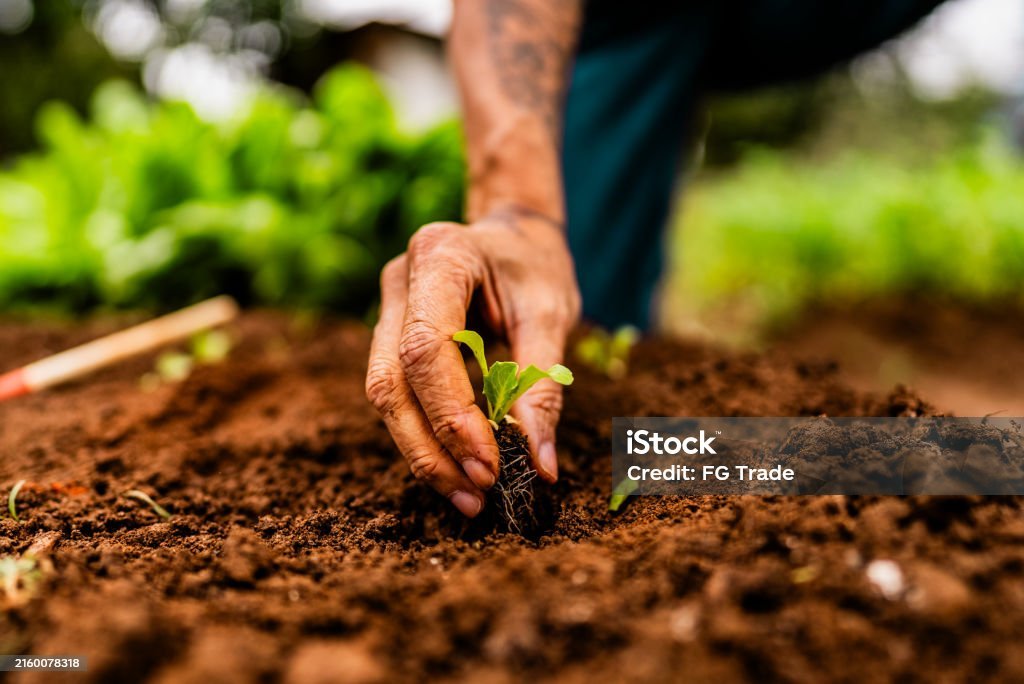
Natural pest control offers farmers a more environmentally friendly way to protect their crops. By using beneficial insects, crop rotation, natural repellents, and other sustainable methods, farmers can reduce pest damage while supporting a healthier farming ecosystem.
In this blog, we will explore practical natural methods that help farmers protect their crops and preserve nature.
What Is Natural Pest Control?
Natural pest control involves managing harmful organisms through biological, cultural, and physical methods that reduce dependence on synthetic pesticides.
These methods work by preventing pest outbreaks, encouraging natural predators, and making the farming environment less favorable for harmful pests.
Natural pest control does not mean that every pest must be eliminated. Instead, the goal is to keep pest populations below levels that cause significant economic damage while protecting beneficial organisms and the surrounding environment.
1. Encourage Beneficial Insects
Nature provides many helpful insects that feed on crop pests. Encouraging these beneficial insects can help farmers maintain a natural balance in their fields.
Examples include:
- Ladybugs: Feed on aphids and other small plant pests.
- Lacewings: Their larvae feed on aphids, mites, and other soft-bodied insects.
- Parasitic wasps: Some species attack specific crop pests by laying their eggs in or on them.
- Predatory beetles: Certain species feed on insect pests and their eggs.
Farmers can attract beneficial insects by planting suitable flowering plants near fields, protecting natural habitats, and avoiding unnecessary broad-spectrum pesticide applications.
2. Practice Crop Rotation
Crop rotation means growing different crops in the same field in a planned sequence rather than planting the same crop repeatedly.
For example, a farmer might grow wheat in one season and a suitable legume crop in another, depending on local climate, soil conditions, and the farming system.
Crop rotation helps control pests because many pests depend on particular crops for food and reproduction. Changing the crop can interrupt their life cycles and reduce the buildup of crop-specific pests and diseases.
Tip: Choose crops from different plant families and consider the pest problems common in your area when planning a rotation.
3. Use Neem-Based Products Responsibly
Neem is a plant that contains compounds used in some pest-control products. Properly formulated neem products can help manage certain insect pests by affecting their feeding, growth, or reproduction.
Farmers should use products registered or approved for the intended crop and pest, following the label instructions carefully.
Keep in mind that natural products are not automatically harmless. Neem products can also affect some beneficial insects, particularly when applied directly to them. Avoid spraying flowering crops when pollinators are active, and follow all safety and harvest instructions.
4. Maintain Healthy Soil and Plants
Healthy plants are often better able to tolerate some pest damage. Good soil management helps crops develop strong roots and grow under favorable conditions.
Farmers can support plant health by:
- Adding suitable compost or well-decomposed organic matter.
- Testing soil to understand its nutrient needs.
- Applying fertilizers according to crop requirements.
- Managing irrigation properly.
- Removing weeds that compete with crops or host pests.
Avoid excessive fertilizer use, particularly excess nitrogen, because it can encourage rapid, soft plant growth that attracts certain pests.
5. Use Physical Barriers and Traps
Physical methods can prevent pests from reaching crops or help farmers monitor pest populations.
Useful options include:
- Insect-proof netting: Helps protect vegetables and other suitable crops from certain flying insects.
- Row covers: Provide a physical barrier against some pests when properly installed.
- Sticky traps: Help monitor certain flying insects, although they may also catch beneficial insects.
- Hand removal: Removing visible insects, egg masses, or badly infested plant parts can help in small gardens and limited areas.
- Fruit and crop protection bags: Can protect selected fruits from certain insects and other damage.
Choose the right method for the crop and pest. Barriers should be installed at the appropriate time, and pollination requirements must be considered when covering flowering crops.
6. Remove Weeds and Infected Plant Material
Weeds can compete with crops for water, nutrients, sunlight, and space. Some weeds also serve as alternative hosts for crop pests and diseases.
Regular field inspection and timely weed management can help reduce these problems.
Farmers should also remove severely infested plant parts when appropriate and dispose of them safely. Infected material should not automatically be added to ordinary compost, because some pests and disease organisms may survive if the composting process is inadequate.
Clean farming tools and equipment when necessary to avoid spreading pests and diseases between fields.
7. Use Companion Planting Carefully
Companion planting involves growing selected plants together to support crop production or influence pest behavior.
Some flowering plants provide nectar and pollen for beneficial insects. Other plant combinations may help attract natural enemies or make it easier to monitor pest activity.
However, companion planting does not guarantee pest prevention, and results depend on the crop, pest species, plant variety, and local environment.
Farmers should select companion plants based on reliable local guidance and avoid combinations that compete excessively with the main crop for light, water, or nutrients.
8. Apply Integrated Pest Management (IPM)
Integrated Pest Management, commonly known as IPM, combines several pest-control methods to protect crops effectively while reducing unnecessary pesticide use.
Instead of relying on one method, farmers regularly inspect crops, identify pests correctly, and choose suitable actions based on the level of damage.
The main steps of IPM are:
- Monitor crops: Inspect leaves, stems, flowers, and fruits regularly.
- Identify the pest: Determine which pest is causing the damage before choosing a treatment.
- Prevent pest outbreaks: Use crop rotation, healthy planting material, field sanitation, and suitable growing practices.
- Encourage natural enemies: Protect beneficial insects and other organisms that control pests.
- Take action when needed: Use physical, biological, or other appropriate controls when pest populations threaten the crop.
- Evaluate the results: Check whether the method worked and adjust the plan if necessary.
IPM may sometimes include a carefully selected pesticide when other measures are insufficient. If one is needed, choose an approved product for the specific crop and pest and follow its label, safety precautions, and pre-harvest interval.